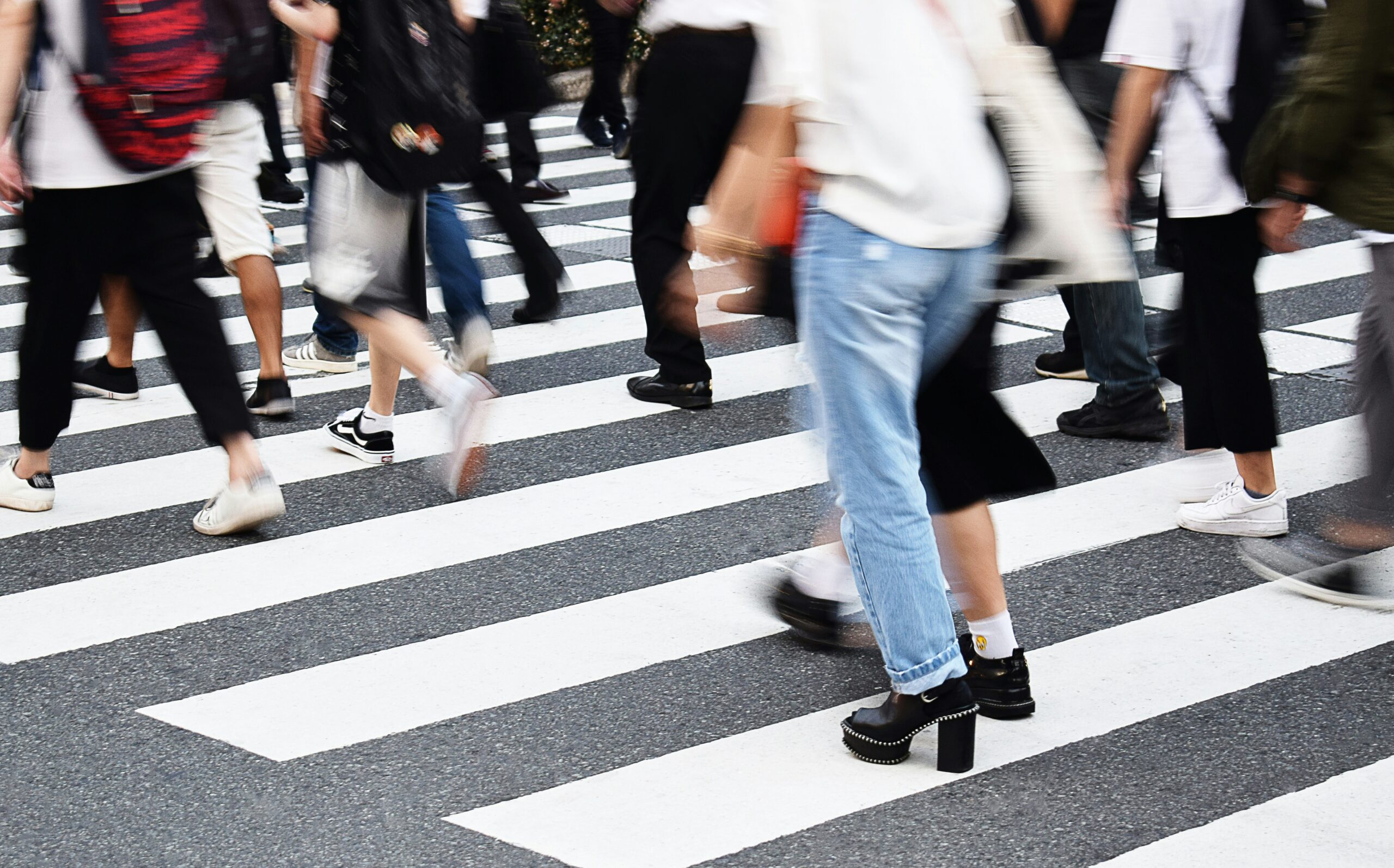
Inclusive urban design and walkability are essential components of healthy, equitable communities.
When cities and towns are designed with all people in mind, regardless of age, ability, income, or transportation access, they become safer, more connected, and more vibrant. Features like well-maintained sidewalks, curb ramps, clearly marked crosswalks, adequate lighting, benches, shade structures, and traffic-calming measures help ensure that everyone can move through their community safely and comfortably. Inclusive design also supports physical activity, reduces transportation barriers, and enhances access to services, jobs, and social connections.
Community health coalitions can play a key role in advancing these efforts by engaging residents in identifying barriers, working with city planners and public works departments, and advocating for policies and funding that prioritize walkable, people-centered spaces.